Dirt Relocation in Salt Lake City, UT
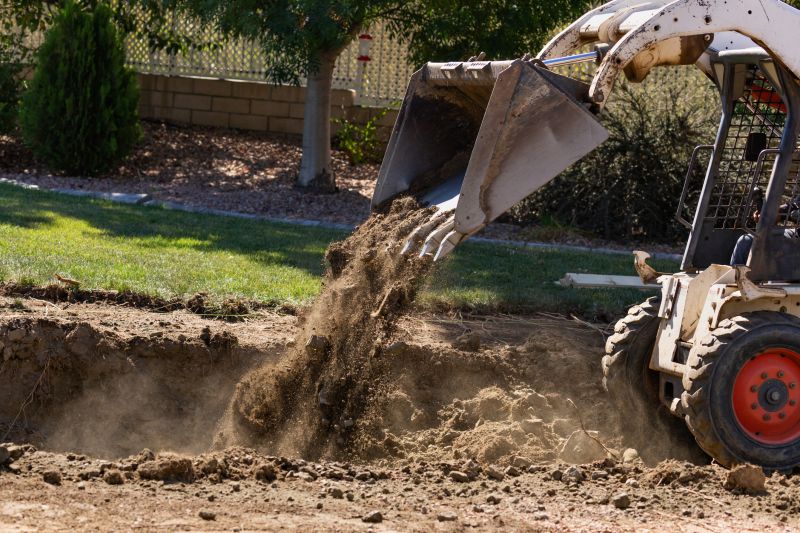
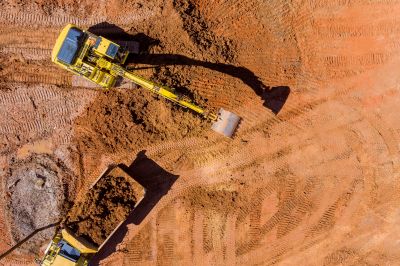
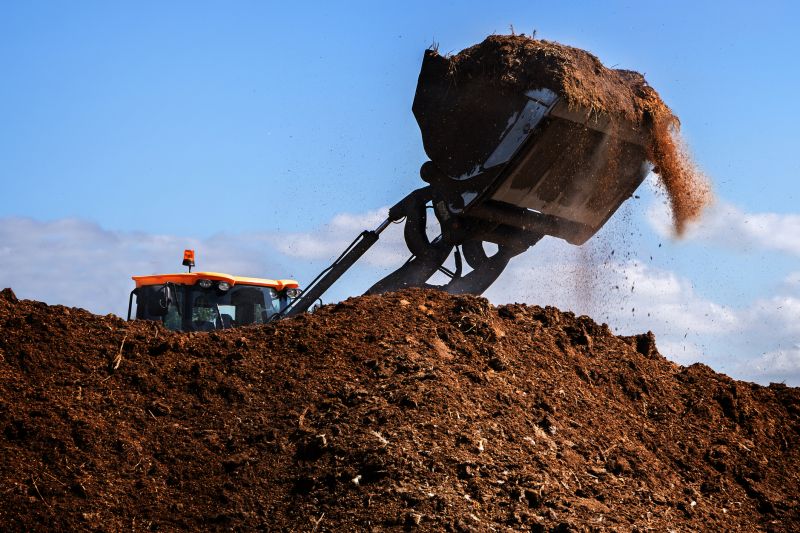
Dirt relocation services involve the movement and redistribution of soil and other loose materials across a property. This service is commonly used for projects such as grading lawns, leveling uneven ground, preparing land for landscaping or construction, and creating drainage solutions. Property owners typically request dirt relocation to improve the stability and appearance of their outdoor spaces, ensure proper drainage, or to prepare a site for new construction or landscaping features.
Before requesting dirt relocation, property owners should consider the scope of their project, including the amount of soil to be moved and the desired final grade or level. It’s also helpful to understand any local regulations regarding soil disposal or movement, as well as the condition of existing soil and potential obstacles on the property. Clear communication about project goals and site conditions can help ensure the process meets expectations and results in a well-prepared outdoor space.
Many property owners in Salt Lake City, UT look into Dirt Relocation for repairs, replacements, upgrades, and appearance-related improvements.
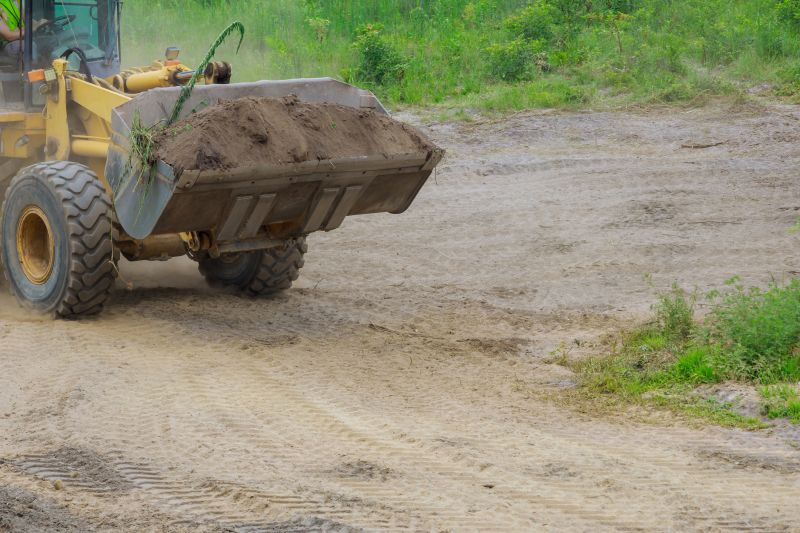
Site Preparation And Grading
Dirt relocation helps prepare land for construction, landscaping, or drainage improvements.
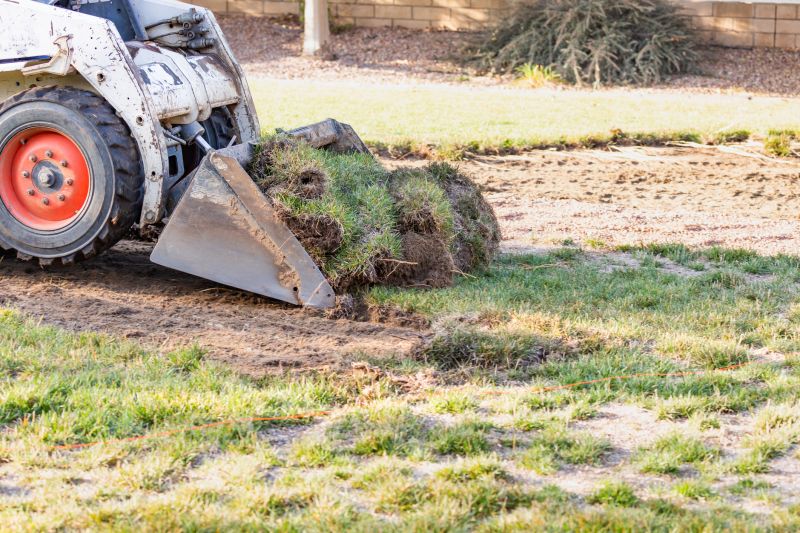
Land Clearing And Excavation
Removing excess soil and debris to create level and functional outdoor spaces in salt lake city.
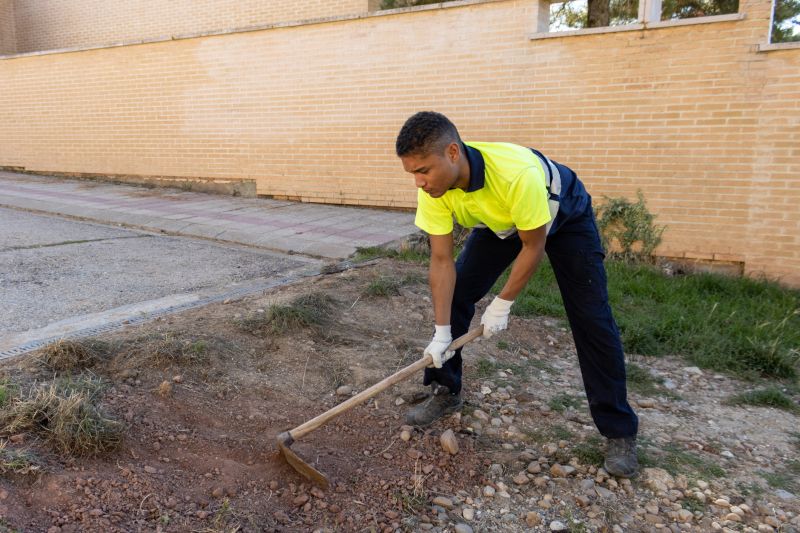
Erosion Control And Drainage Solutions
Relocating dirt to manage water flow and prevent soil erosion on residential and commercial properties.
Dirt Relocation in Salt Lake City, UT
Dirt relocation services involve the movement and redistribution of soil and other loose materials across a property. This service is commonly used for projects such as grading lawns, leveling uneven ground, preparing land for landscaping or construction, and creating drainage solutions. Property owners typically request dirt relocation to improve the stability and appearance of their outdoor spaces, ensure proper drainage, or to prepare a site for new construction or landscaping features.
Before requesting dirt relocation, property owners should consider the scope of their project, including the amount of soil to be moved and the desired final grade or level. It’s also helpful to understand any local regulations regarding soil disposal or movement, as well as the condition of existing soil and potential obstacles on the property. Clear communication about project goals and site conditions can help ensure the process meets expectations and results in a well-prepared outdoor space.
Many property owners in Salt Lake City, UT look into Dirt Relocation for repairs, replacements, upgrades, and appearance-related improvements.
Common Dirt Relocation Jobs
Excavation and grading - reshaping land to prepare for landscaping, driveways, or foundations.
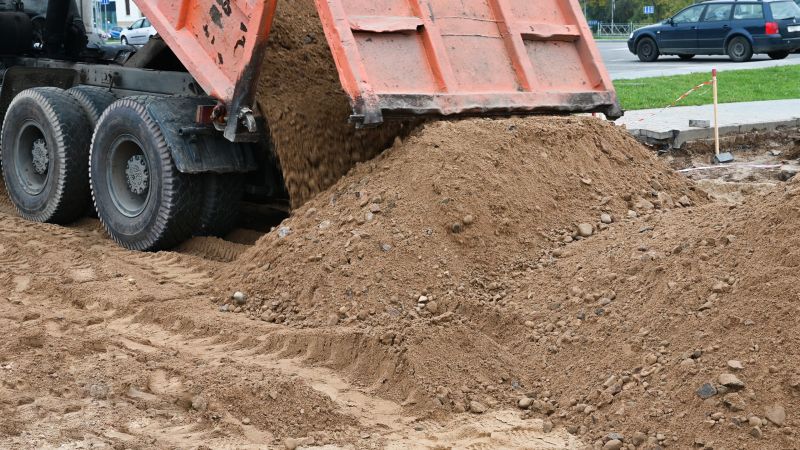
Soil and gravel relocation - moving earth to improve drainage or create level surfaces.
Site clearing - removing excess dirt, debris, or unwanted materials from construction sites.
Backfilling services - filling excavated areas around foundations or utilities for stability.
Landscape grading - adjusting soil levels to prevent water pooling and enhance yard drainage.
Debris removal - hauling away excess dirt and materials after excavation projects.
Dirt Relocation Questions
What is dirt relocation? Dirt relocation involves moving soil or earth from one area to another to prepare or improve a property’s landscape or foundation.
When is dirt relocation needed? It is often needed for grading, landscaping, foundation work, or to correct uneven terrain on a property.
What types of projects require dirt relocation? Projects such as yard leveling, driveway construction, drainage improvements, or excavation for new structures may involve dirt relocation.
What should property owners know about dirt relocation? Proper planning ensures soil is moved safely and efficiently, helping to prevent erosion, drainage issues, and uneven settling.
Request Dirt Relocation in Salt Lake City, UT
Use the quote form on this page to share the basics of your project and request more information for the type of work you need.