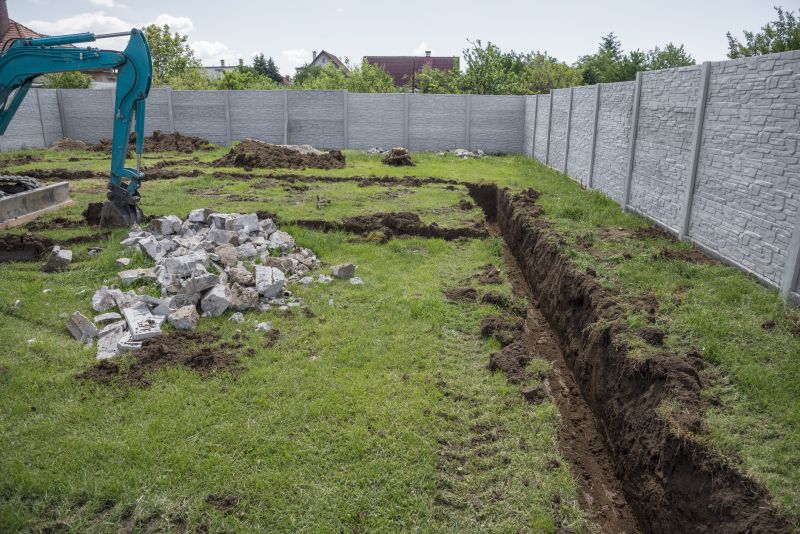
Downspout Trenching in Atlanta, GA
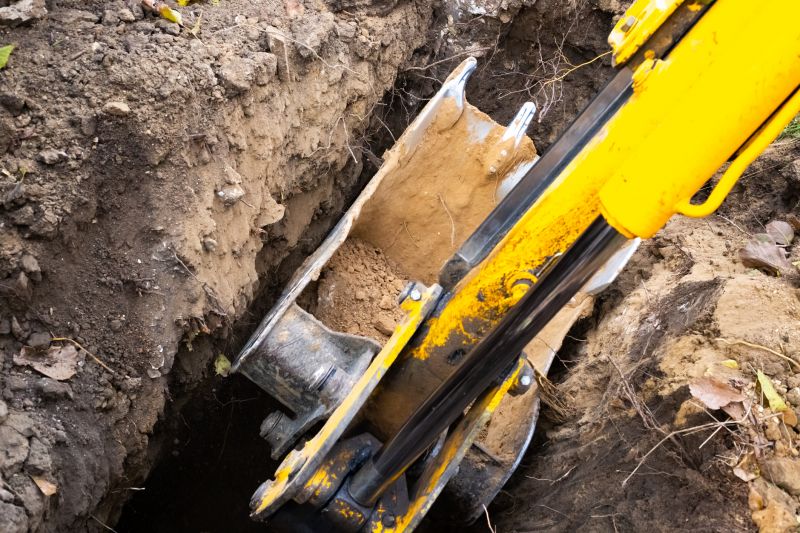
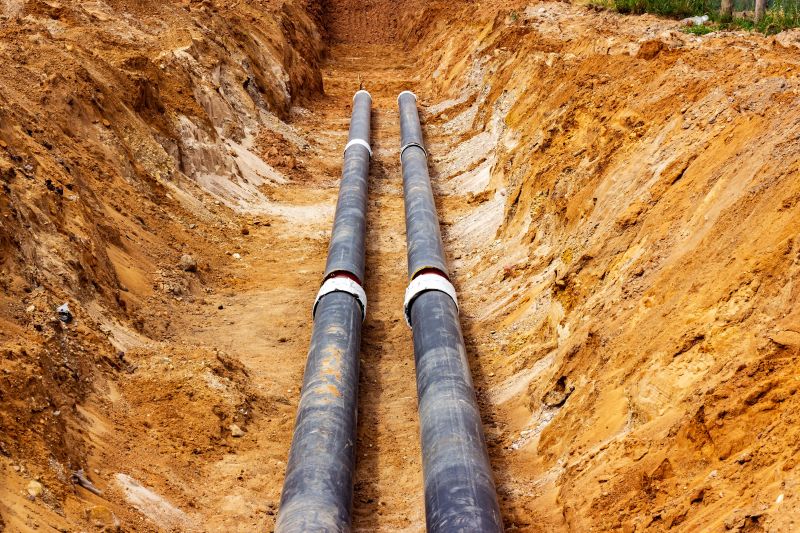
Downspout trenching services involve excavating trenches to properly route rainwater away from a property’s foundation. This process is often needed when existing downspouts cause water pooling, basement flooding, or foundation damage. Projects typically include installing new underground drainage systems, extending existing downspouts, or replacing old, damaged piping. Property owners usually want to understand the scope of trenching required, the materials used, and how the new drainage will improve water management around the home or commercial building.
Before requesting downspout trenching, property owners should consider the layout of their existing drainage system and identify areas prone to water accumulation. It’s helpful to determine how far the trenching needs to extend and whether any landscaping or hardscaping will be affected. Understanding the overall drainage goals and any local regulations or property restrictions can also ensure the project meets expectations and functions effectively for years to come.
Many property owners in Atlanta, GA look into Downspout Trenching for repairs, replacements, upgrades, and appearance-related improvements.
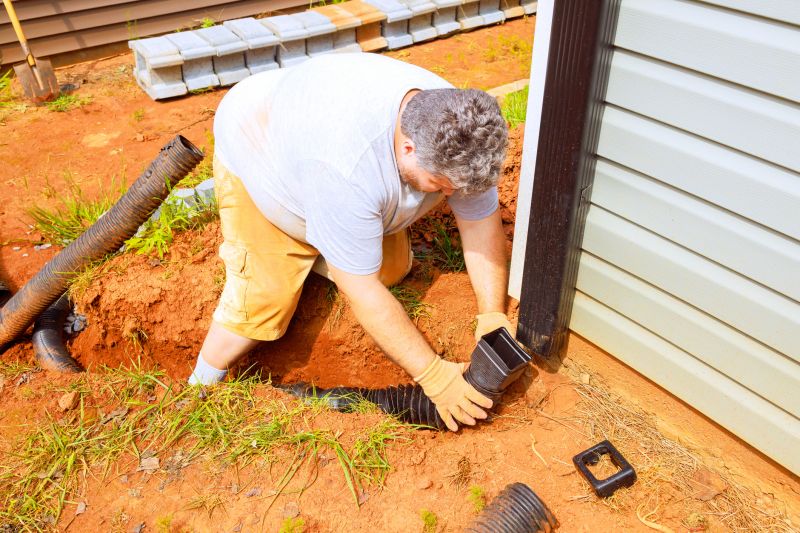
Proper Drainage Solutions
Downspout trenching helps direct water away from foundations and landscaping.
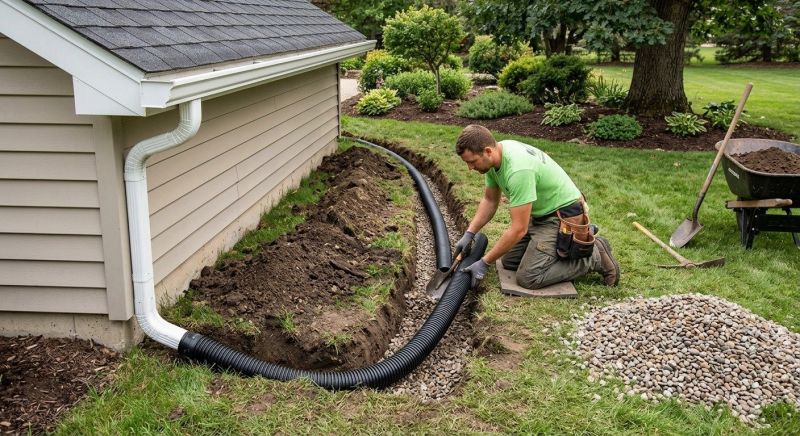
Foundation Protection
Effective trenching prevents water buildup that can lead to basement leaks and structural issues.
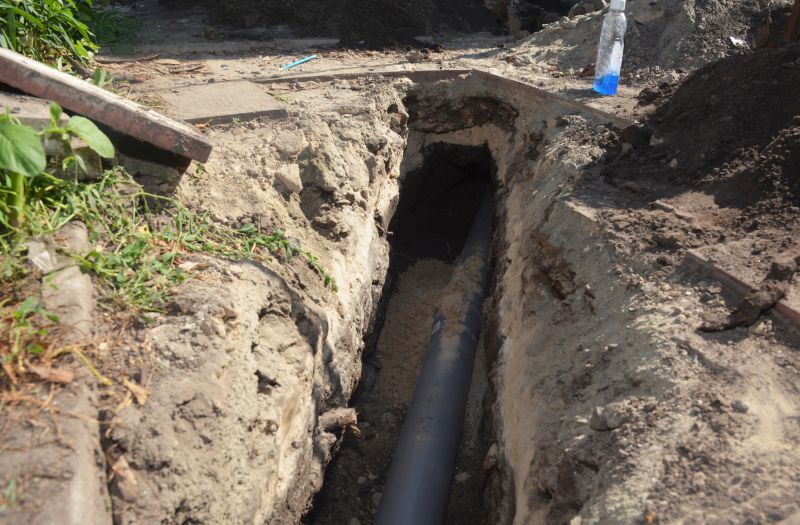
Property Maintenance
Trenching ensures rainwater is managed efficiently, reducing erosion and pooling around the property in atlanta, ga.
Downspout Trenching in Atlanta, GA

Downspout trenching services involve excavating trenches to properly route rainwater away from a property’s foundation. This process is often needed when existing downspouts cause water pooling, basement flooding, or foundation damage. Projects typically include installing new underground drainage systems, extending existing downspouts, or replacing old, damaged piping. Property owners usually want to understand the scope of trenching required, the materials used, and how the new drainage will improve water management around the home or commercial building.
Before requesting downspout trenching, property owners should consider the layout of their existing drainage system and identify areas prone to water accumulation. It’s helpful to determine how far the trenching needs to extend and whether any landscaping or hardscaping will be affected. Understanding the overall drainage goals and any local regulations or property restrictions can also ensure the project meets expectations and functions effectively for years to come.
Many property owners in Atlanta, GA look into Downspout Trenching for repairs, replacements, upgrades, and appearance-related improvements.
Common Downspout Trenching Jobs
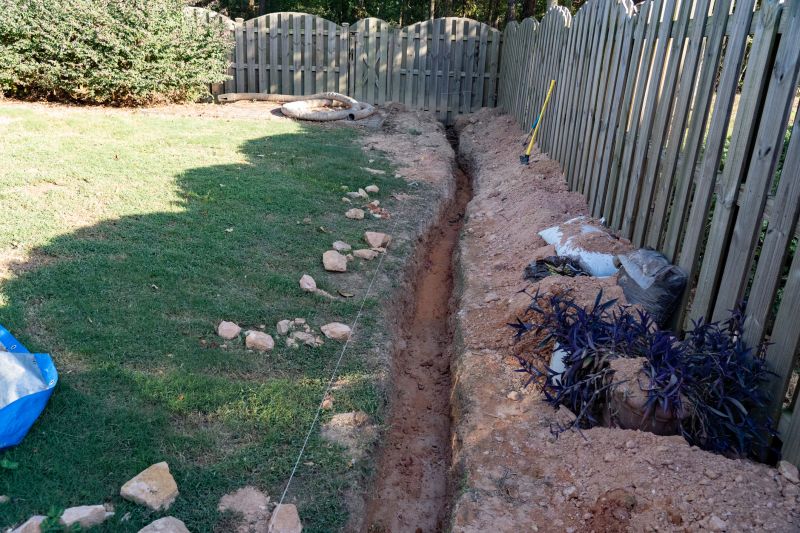
Downspout trenching involves creating a channel for effective water diversion away from the foundation.
Foundation protection helps prevent water damage and soil erosion around the home.
Drainage system installation ensures rainwater flows properly through underground pipes.
Landscape drainage solutions reduce water pooling and protect yard integrity.
Stormwater management helps control runoff during heavy rain events.
Property drainage assessment identifies areas needing trenching to improve overall water flow.
Downspout Trenching Questions
What is downspout trenching? Downspout trenching involves digging a channel to redirect rainwater away from the foundation and prevent water damage.
When is trenching necessary for downspouts? Trenching is needed when existing downspouts cause erosion, pooling, or water infiltration near the property.
What types of projects require downspout trenching? Projects include extending downspouts to drainage areas, installing new drainage systems, or repairing damaged trenches.
What should property owners consider before trenching? It's important to evaluate drainage patterns and ensure proper slope to effectively direct water away from the foundation.
Request Downspout Trenching in Atlanta, GA
Use the quote form on this page to share the basics of your project and request more information for the type of work you need.